
Table of Contents
The Magnetic Appeal of Online Casinos
There’s something oddly fascinating about stepping into the digital glow of an online casino. Maybe it’s the promise of instant excitement, or maybe that subtle hope that—just maybe—luck will tilt slightly in your favor. In any case, modern platforms have mastered an alluring balance of immersion and accessibility. I’ve noticed that with the rise of advanced gaming technology, online casinos have shifted from simple gambling hubs into sophisticated entertainment experiences.
A fine example of this transformation can be seen with platforms like Lightning Storm live, which integrate cinematic visuals, real-time interaction, and crisp design cues to make the user feel like they’re sitting in a sleek, world-class casino lounge. It somehow manages to blur the line between distant pixels and tangible excitement, which, frankly, can feel quite addictive in the best sense.
Realistic Design and User Experience
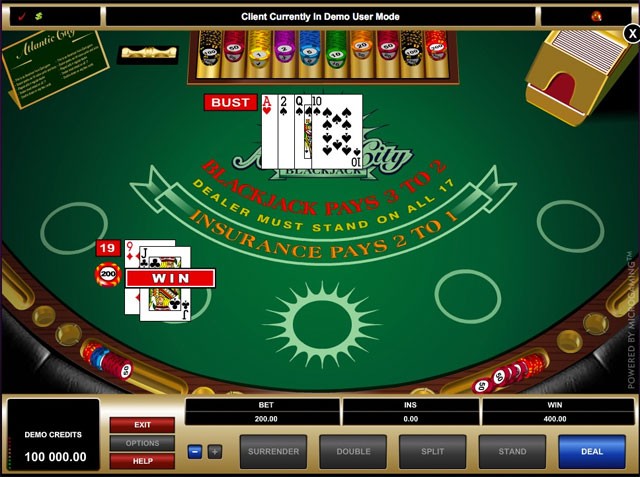
A well-crafted online casino draws you in not by overstimulating you, but by knowing where to stop. The better-developed platforms use smooth animations, subtle ambient sounds, and intuitive layouts to evoke trust and familiarity. Interestingly, the human brain responds to consistent lighting and audible feedback in a similar way to physical casinos. It’s almost psychological—bells, coins, spinning reels—they all tap into something primal.
Tip: A good interface should let you forget it’s a screen separating you from the action. Realistic design is about eliminating friction between player and experience.
Immersion and Emotional Triggers
I once read that players are more motivated by near-wins than by actual jackpots. That slight rush when the wheel nearly hits the golden number, that’s coded into the dopamine system. Online casinos reproduce this masterfully, whether through flashing cues or time-limited bonuses. Games blend realism with calculated pacing—enough to hold your attention, not enough to exhaust it.
Game Variety and Atmosphere
You can almost smell the virtual felt of a blackjack table when well-designed graphics and smooth motion come together. Some casinos opt for realism, while others turn toward fantasy, adding glowing lights and mystical soundtracks that feel like stepping into another universe. The variety of games keeps this world alive—slots, poker, roulette, blackjack—each game carrying its own mood and rhythm.
There’s always this internal question too—do you go for the games with big jackpots or the ones that simply feel right? I often end up trying a mix, even if rationally I know the odds are against me. Still, the animated reels, the cascading symbols, they trigger this subtle “mini-reward” feeling that makes it hard to stop.
- Slots for quick, colorful fun
- Live dealer games for authentic atmosphere
- Card games for strategy seekers
- Roulette for those craving suspense
Every player finds their zone, really. It’s that mix of control and luck—rolled together in neon and noise—that keeps us returning. I think it touches something universal about human curiosity and the small joys of unpredictability.
Bonuses, Rewards, and Player Attraction
Even before a player makes a deposit, the screen fills with temptations: deposit matches, free spins, loyalty points. It’s clever marketing, yes, but also a way to welcome new members and retain regulars. The best casinos design bonus structures that feel personal, dynamic, rather than random. Some start modest but expand with playtime, mirroring a sense of progression.
Psychology Behind Rewards
There’s science to this. Changing the frequency and value of rewards creates long-term engagement. For example, if a player wins too often, they lose excitement. If they lose constantly, they quit. So, a subtle balance is struck. The bonus rounds, the surprise jackpots, they come at just the right time to keep morale afloat.
Highlighted Thought: Bonuses are not simply marketing tricks; they’re emotional calibrators shaping how players perceive fairness and fortune.
Trust, Payments, and Security
In the end, no amount of visual charm matters if players don’t trust where their money goes. Secure transactions are the silent backbone of any successful online platform. Most reputable casinos use encryption technologies equivalent to banking standards. Withdrawals should be straightforward, transparent, and quick. It’s frustrating when winnings feel locked behind red tape.
Modern sites are getting smarter, too. They monitor suspicious activity, verify identities with modern tools, and offer a variety of payment methods. From credit cards to e-wallets, from crypto to prepaid systems, players enjoy flexibility like never before. I remember once getting paid in under 10 minutes by an operator—I didn’t know if I should celebrate the speed or the win more.
FAQ
Q: Are online casinos fair?
A: Licensed online casinos are regularly audited, ensuring that all game outcomes are random and transparent.
Q: What is the safest payment method?
A: Typically, e-wallets and debit cards are considered safest, though this depends on personal preference and region.
Q: Can I play for free?
A: Yes, many platforms offer demo modes allowing players to experience gameplay before risking any money.
Q: How important is design in an online casino?
A: Extremely important—it influences user comfort, engagement, and trust almost as much as game variety or bonuses.
Player Reviews
Many players share similar stories: some lost track of time in the shimmering glow of roulette wheels, others recall the adrenaline of sudden wins or the calm routine of familiar games. Reviews across forums often mention how responsive interfaces and vivid design play a crucial role in their loyalty.
A recurring comment I’ve seen is that realism makes the platform feel fairer, more grounded. When slots move fluidly, or when dealers greet you in real time, you almost forget the distance between you and the casino floor. That subtle illusion—it’s what defines today’s digital gambling world, full of charm, suspense, and striking realism.